
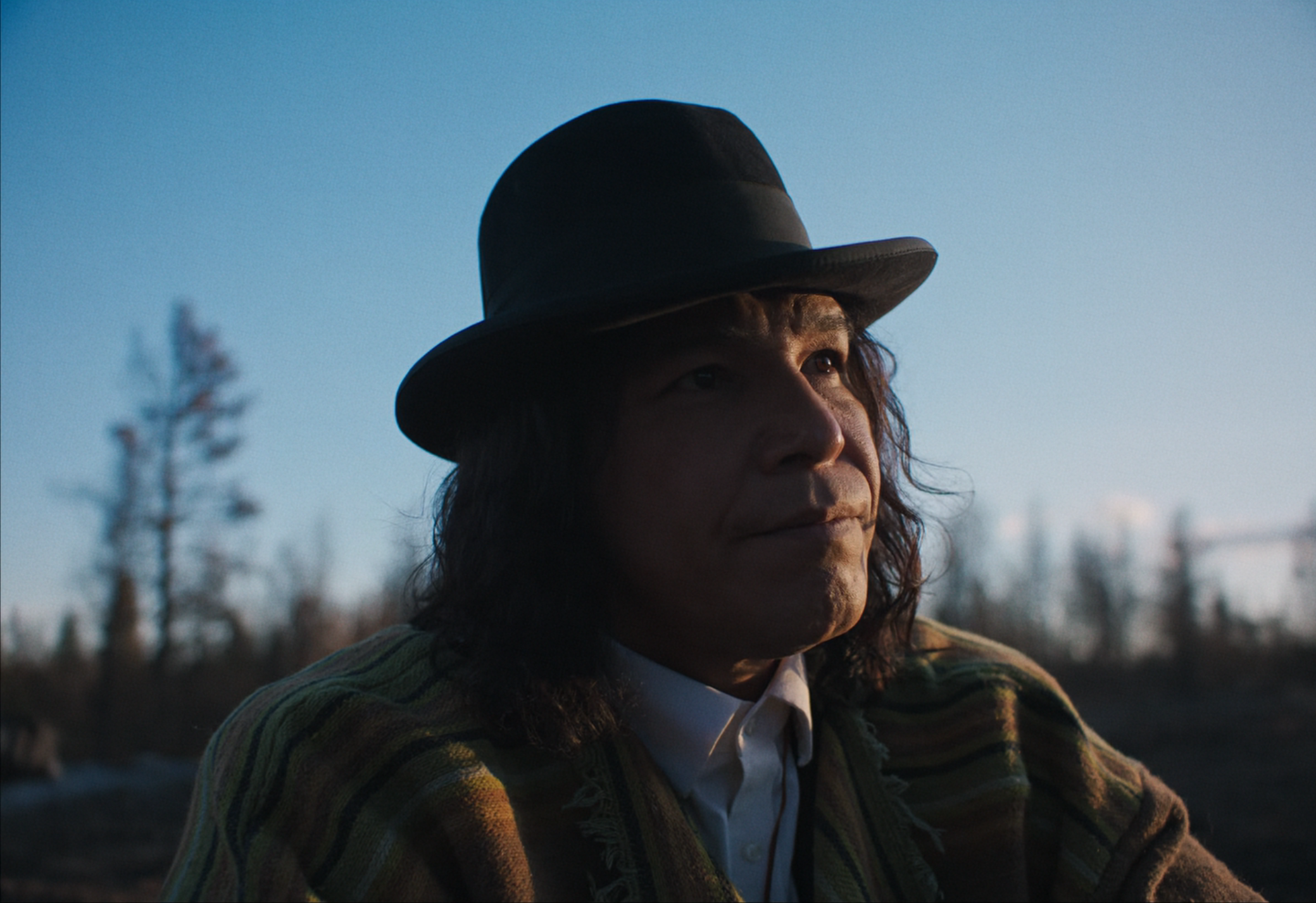
Native Representation
A discussion of Native Representation in film. We’re seeing a rise of representation thanks to filmmakers such as Sterlin Harjo, and major Hollywood filmmakers casting Natives in their films: Paul Thomas Anderson and Ryan Coogler for example.
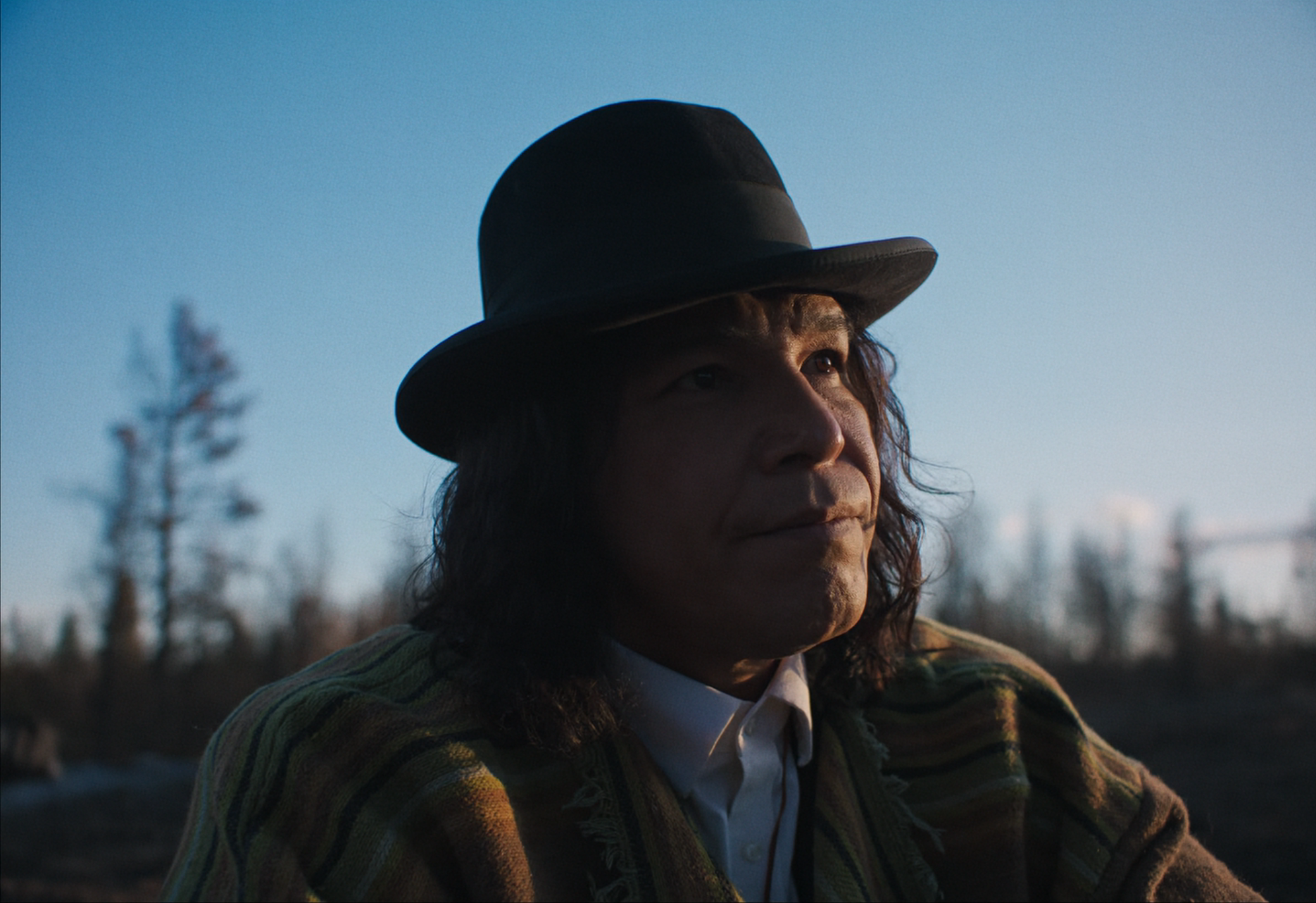
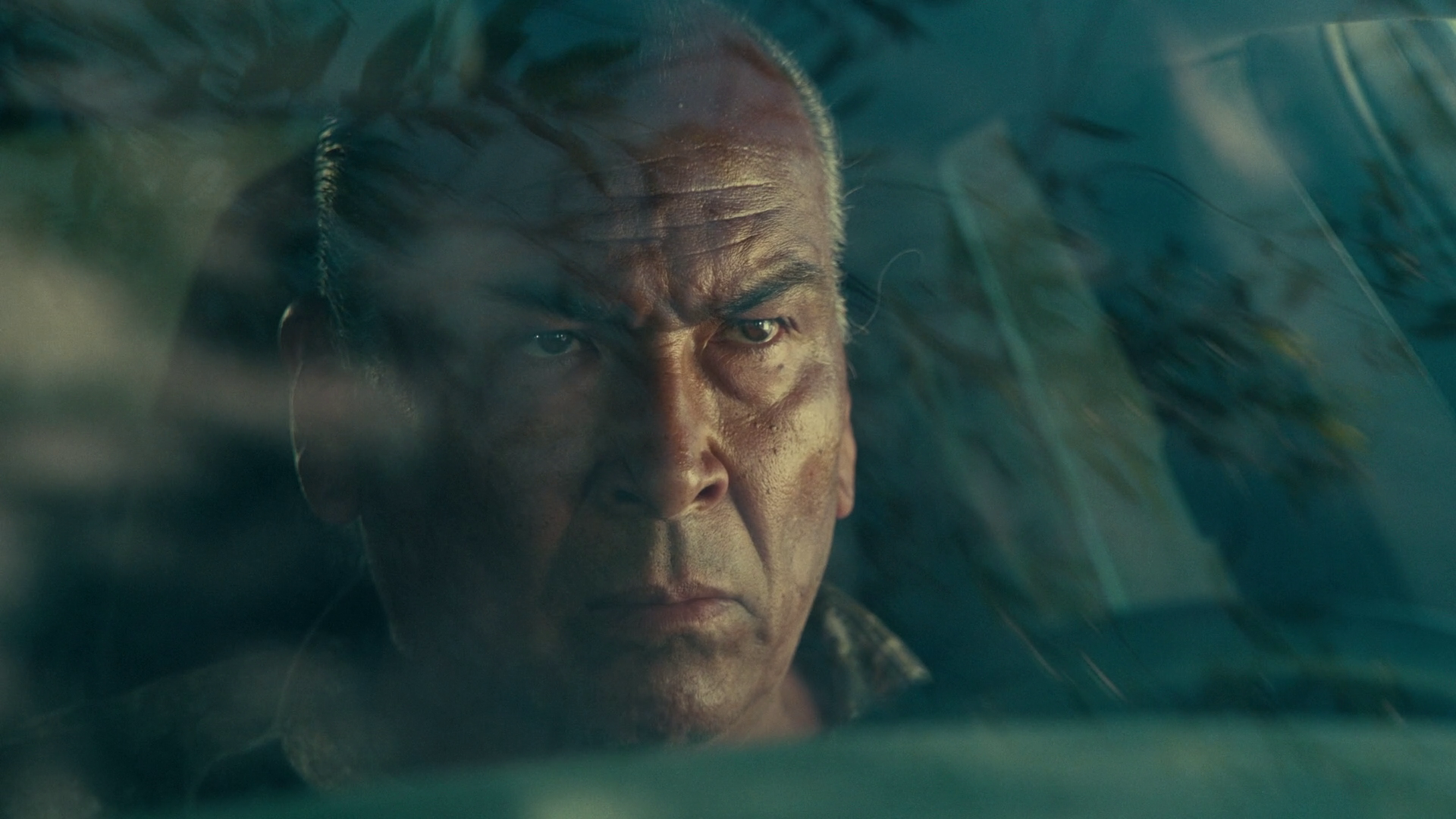
Nathaniel Arcand (Plains Cree) in Train Dreams (2025) Dir: Clint Bentley
Native representation in Hollywood has been an uphill battle. Smoke Signals (1998) felt like the beginning of a movement of Indigenous-led films that could breakthrough the mainstream. Gene Siskel said, “Smoke Signals could turnout to be a milestone in the Native American cinema. It could become the equivalent of the black cinema’s “She’s Gotta Have It” by Spike Lee.” The 90s also brought other films that featured Indigenous actors and stories: Dance Me Outside (1994), Thunderheart (1992), and Clearcut (1991). Unfortunately the movement slowed down significantly just as it reached its peak following Smoke Signals.
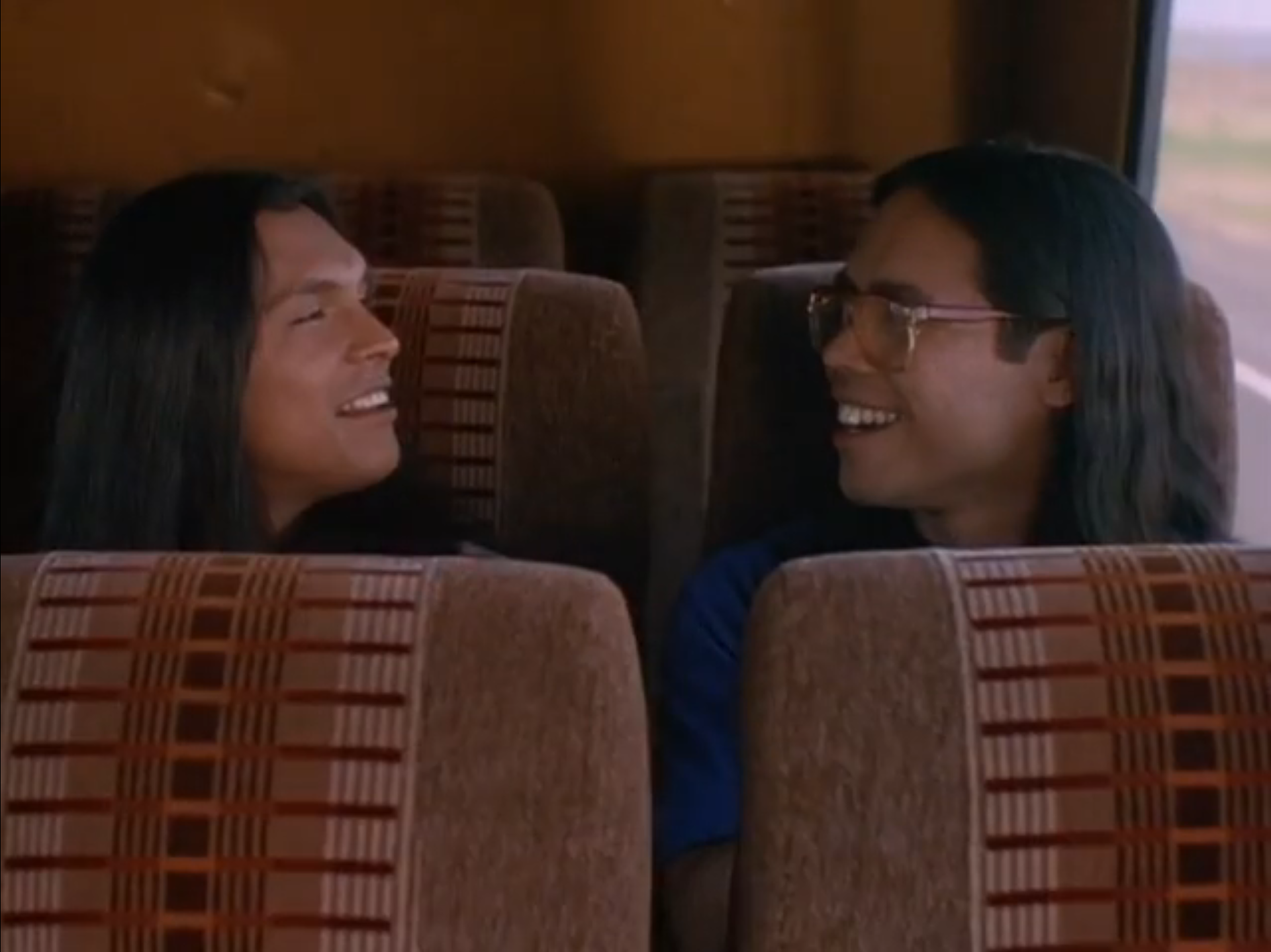
“Smoke Signals could turnout to be a milestone in the Native American cinema. It could become the equivalent of the black cinema’s She’s Gotta Have It by Spike Lee.” - Gene Siskel
In the last 15 years, Hollywood has improved on reaching a more diverse audience by telling culturally diverse stories. It’s been amazing to witness the rise of fellow BIPOC voices, Native Americans/Canadian stories have been the last at the table. There have been a handful of films that carried the torch, but none of them have caught on like Smoke Signals did all those years ago.
Sterlin Harjo has played a major part in bringing Native stories to the forefront of popular culture movies and TV shows with the breakout hit, Reservation Dogs. Devery Jacobs is a long-time favorite on The Green Screen of Death, we’ve championed movies such as: Rhymes for Young Ghouls, and Blood Quantum. Reservation Dogs also features breakout performances from: D’Pharaoh Woon-A-Tai, Paulina Alexis, and Lane Factor.
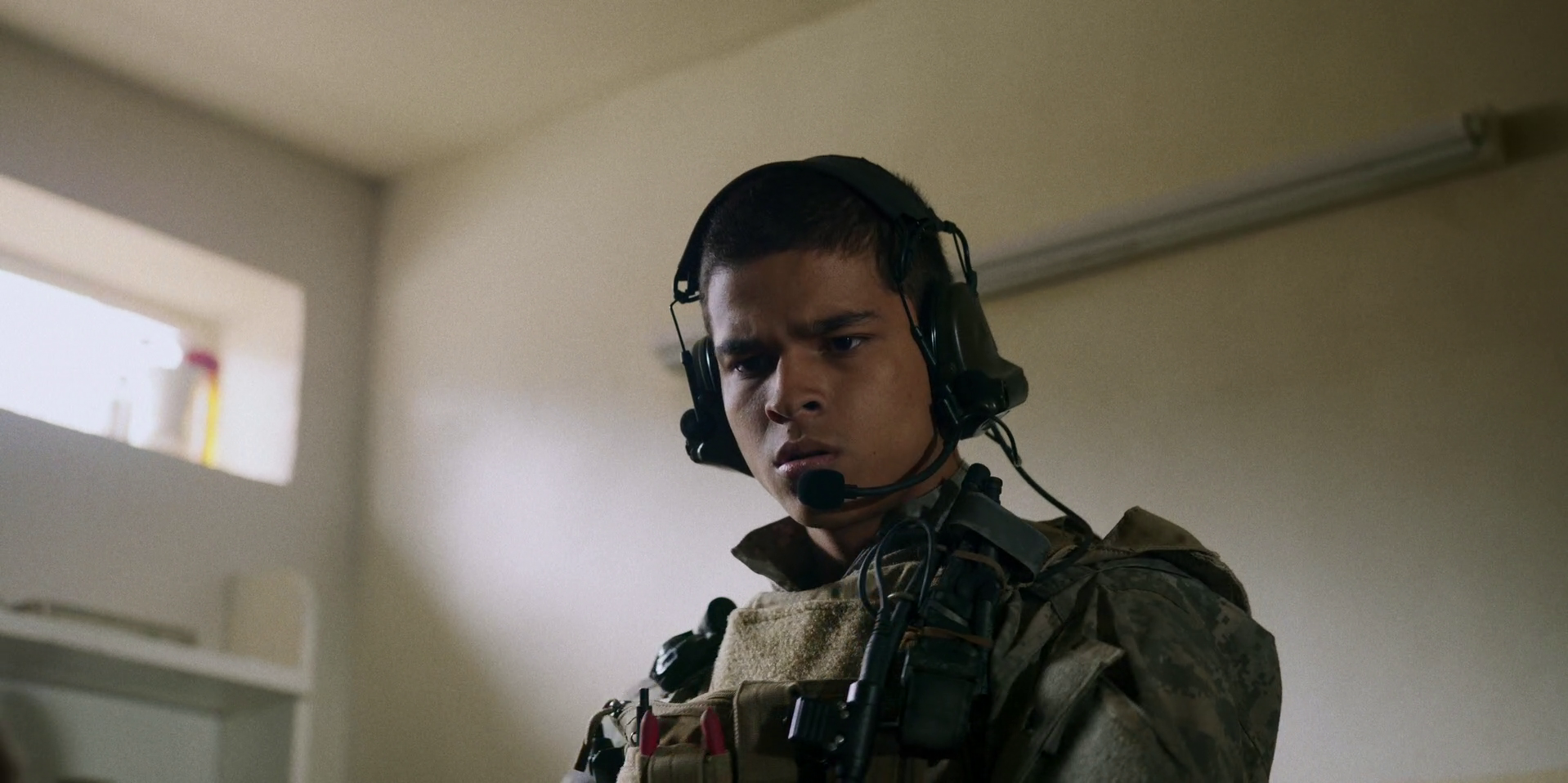
The momentum created by Reservation Dogs has paved the way for major Hollywood films to feature Native actors. 2025 alone has meaningful Native representation: One Battle After Another, Train Dreams, Eddington, and Sinners. Many Sinners fans came out of the film eager to see more of the Choctaw vampire hunters, led by Nathaniel Arcand. As One Battle After Another reaches it’s climax, Eric Schweig is right there playing a major part in taking the film to the finish line. Warfare features D’Pharaoh Woon-A-Tai as one of the lead actors in a film that features a slew of young talent. Woon-A-Tai’s character is essential and is a stark contrast from the young, shy, unsure of himself character he plays in Reservation Dogs.
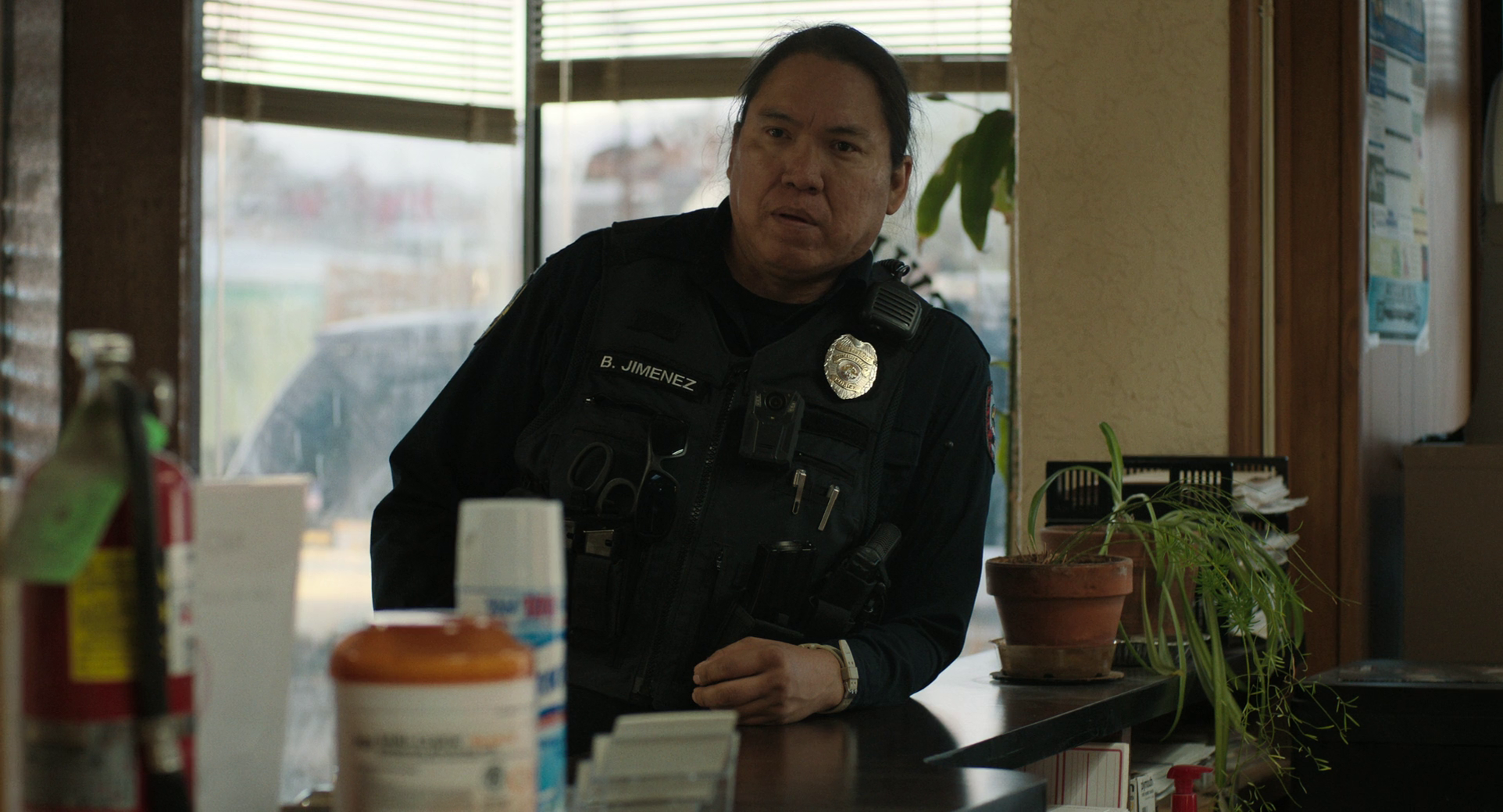
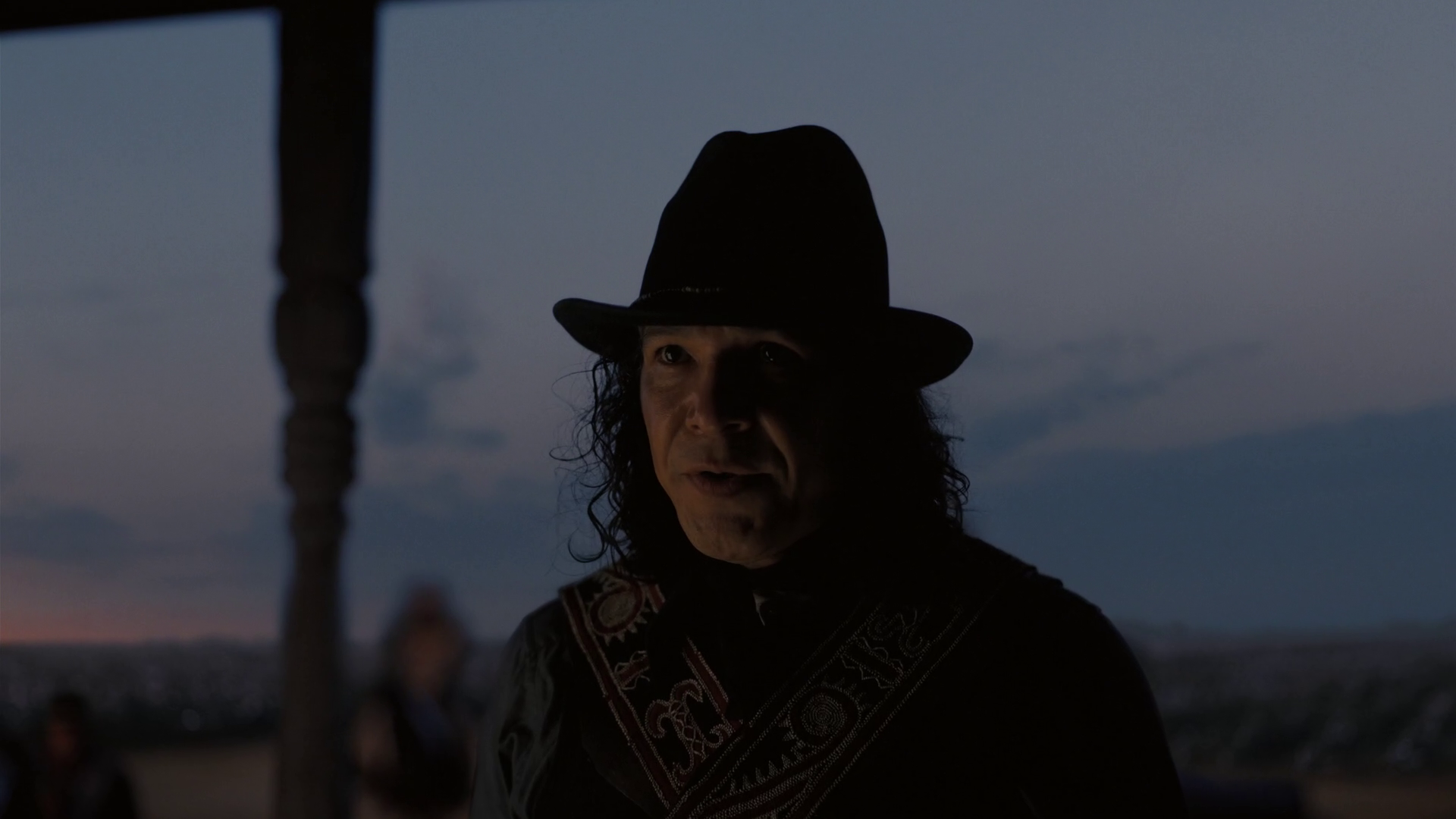
There are other recent terrific examples of Native Representation in film. Prey (2022) features Amber Midthunder taking a Predator head-on in an outstanding sci-fi/action film. Beans (2020) is a story told from a young girl’s perspective during the 1990 Oka Crisis, a 78 day armed standoff between the Mohawk and Canadian government. The film is autobiographical, written and directed by Tracey Deer. Frybread Face and Me (2023) is a coming of age story about two Navajo cousins hanging out with their grandma during the summer and learning valuable life lessons. It’s a beautiful coming of age film and includes a wonderful story about a Queer Native American. Rez Ball (2024) is a coming of age film with basketball in the forefront. Rez Ball is directed by Sydney Freeland and co-written by Freeland, Michael Powell and Sterlin Harjo. Lily Gladstone came dangerously close to winning an Oscar for her performance in Killers of the Flower Moon (2023). Safe to say Martin Scorsese reached “Uncle” status in the rez community for this film. Other Native films that have been recommended to me but I haven’t watched YET: Wild Indian (2021), Night Raiders (2021), and War Pony (2022).
We’re in a beautiful spot for Native Representation in film. I hope the momentum continues as it only makes sense the First People of Turtle Island begin to see ourselves on the big screen.